

Bamboo vs Modal Fabric for Dresses: A Complete Comparison
Table of Contents
- Bamboo vs Modal Fabric: Quick Comparison Table
- What is Bamboo Fabric?
- What is Modal Fabric?
- Is Bamboo Fabric Good for Summer Dresses?
- Durability, Wrinkle Resistance, and Long-Term Wear
- How to Wash Modal Dresses and Care Instructions
- Environmental Impact and Sustainability
- Drape, Silhouette, and Fit Performance
Last Updated: August 19, 2026
Bamboo vs Modal Fabric: Quick Comparison Table
When shopping for dresses that balance comfort with durability, fabric choice matters significantly. Bamboo and modal fabrics dominate the sustainable clothing market but perform differently depending on your climate, lifestyle, and care habits.
| Feature | Bamboo Fabric | Modal Fabric | Winner |
|---|---|---|---|
| Breathability & Moisture-Wicking | Excellent; keeps you cool in heat | Excellent; similar performance | Tie |
| Softness & Hand-Feel | Silky, luxurious | Silky, comparable to bamboo | Tie |
| Durability (wash cycles) | Good; can pill with friction | Better; resists pilling longer | Modal |
| Wrinkle Resistance | Moderate; wrinkles easily | Better; holds shape longer | Modal |
| Drape & Silhouette | Excellent; flows beautifully | Excellent; drapes smoothly | Tie |
| Shrinkage Risk | Higher; requires care | Lower; more stable | Modal |
| Environmental Impact | Viscose process uses chemicals | Closed-loop production cleaner | Modal |
| Best For | Summer dresses, warm climates | Year-round wear, frequent washing | Modal |
| Price Point | Typically $60-$100+ | Typically $40-$80+ | Bamboo (higher cost) |
Modal wins on durability and wrinkle resistance, while bamboo excels in breathability for summer. For frequently washed dresses, modal is the safer choice. For lightweight summer pieces requiring maximum cooling, bamboo delivers.
What is Bamboo Fabric?
Bamboo fabric is a regenerated cellulose fiber made from bamboo pulp using a viscose process. The plant is harvested, broken down into pulp, then chemically processed into a soft, flowing textile with a silky feel.
The fabric is hypoallergenic and naturally moisture-wicking, pulling sweat away from skin and drying quickly. Its excellent breathability makes it popular for warm weather and sensitive skin. However, the viscose production process involves significant chemical inputs, though manufacturers can recycle up to 99% of chemicals in closed-loop systems.
Bamboo fabric wrinkles more easily than modal and can lose elasticity with repeated washing. The fibers may pill if rubbed repeatedly against rough surfaces or in the washing machine.
D'LA Boutique features bamboo fabric blends in many dress designs, recognizing the cooling properties and soft texture appeal to customers seeking comfortable everyday wear.
What is Modal Fabric?
Modal is a regenerated cellulose fiber made from beech tree pulp using a closed-loop system where solvents are recycled and reused. Approximately 99% of chemicals are recovered, making it one of the most eco-friendly regenerated fabrics available.
The fabric is exceptionally soft with excellent drape, flowing smoothly over the body and creating flattering silhouettes. Modal naturally resists shrinking and fading, maintaining shape and color through many wash cycles. It also resists pilling better than bamboo due to stronger tensile strength, making modal dresses more durable for frequent wear and washing.
The downside: modal is slightly less breathable than bamboo and can feel warmer in very hot climates. Modal is better suited to year-round wear and moderate temperatures.
Oh Polly's modal dress collection demonstrates how well this fabric works for various styles. The fabric's natural resistance to shrinking means sizing stays true, and wrinkle resistance means less ironing after washing.
Is Bamboo Fabric Good for Summer Dresses?
Bamboo fabric is excellent for summer dresses in hot or humid climates. The moisture-wicking properties pull sweat away from skin, and breathability allows air circulation, keeping you cooler than synthetic fabrics or cotton blends.

Bamboo's natural thermal regulation adapts to body temperature without trapping heat like polyester or nylon. The silky texture feels pleasant against bare skin.
However, bamboo wrinkles more easily than modal and requires careful washing in cool water to prevent shrinkage. For casual summer wear, bamboo is ideal. For formal summer events requiring a crisp, wrinkle-free appearance, modal is better despite being slightly warmer.
The hypoallergenic properties make bamboo particularly valuable for people with sensitivities to synthetic fibers.
Durability, Wrinkle Resistance, and Long-Term Wear
Modal pulls ahead of bamboo for most wearers. Modal's superior tensile strength means fibers resist breaking down through repeated washing. After 20 wash cycles, a modal dress maintains shape and color far better than a comparable bamboo dress.
Wrinkle resistance is modal's strongest advantage. The fiber structure naturally resists creasing, so modal dresses emerge from the dryer with fewer wrinkles and maintain a crisp appearance throughout the day. Bamboo wrinkles readily and requires ironing for a polished look.
Pilling happens more frequently with bamboo than modal. Bamboo's lower tensile strength makes it more susceptible to pilling, especially in high-friction areas like underarms.
Long-term wear testing shows modal dresses maintain appearance after 30+ wash cycles, while bamboo dresses may show visible wear after 15-20 cycles. Modal shrinks minimally with proper care, while bamboo can shrink 5-10% if washed in warm or hot water.
For frequently worn dresses and everyday staples, modal's durability advantage justifies slightly lower breathability.
How to Wash Modal Dresses and Care Instructions
Modal dresses are low-maintenance. Machine wash on a gentle cycle with cool water. The fabric's natural resistance to shrinking and fading means less caution is needed than with silk or cashmere.
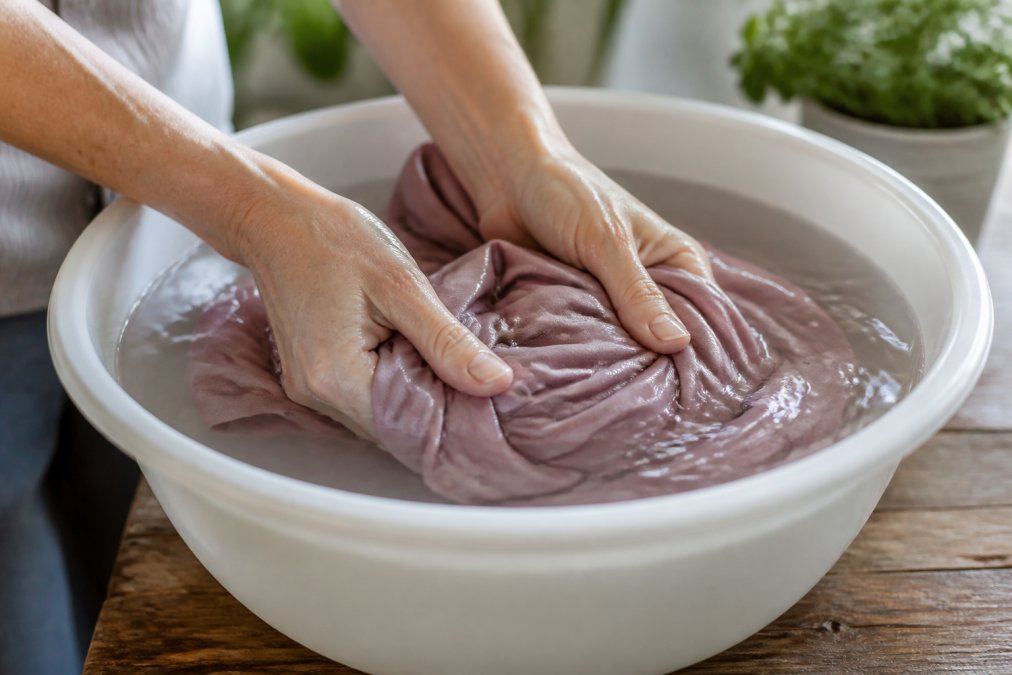
Use mild detergent designed for delicates. Avoid bleach and fabric softeners. For hand washing, soak in cool water with detergent for 5-10 minutes, then gently agitate and rinse thoroughly.
Air-drying is ideal but not essential. Modal tolerates low-heat machine drying without significant damage, though air-drying extends life. Remove promptly to prevent wrinkles from setting.
Ironing is rarely necessary with modal. Use low heat if needed.
For bamboo dresses, always use cool water and wash on the delicate cycle. Air-dry exclusively; machine drying causes shrinkage. Use low heat and a pressing cloth when ironing.
Hang dresses rather than folding to prevent permanent creases. Use acid-free tissue paper in folds if necessary.
Environmental Impact and Sustainability
Both bamboo and modal are regenerated cellulose fibers from natural plant sources, making them more sustainable than synthetic fibers. However, environmental impact differs significantly based on production methods.
Modal's closed-loop production is cleaner. The process recovers and recycles up to 99% of solvents, so minimal chemicals enter waterways. Beech trees for modal production typically come from sustainably managed European forests.
Bamboo viscose traditionally releases more chemicals. Conventional viscose processes recover only 70-80% of solvents, potentially contaminating water supplies. However, some bamboo manufacturers now use closed-loop systems similar to modal production.
Closed-loop production matters more than source material. Bamboo made with closed-loop viscose is more sustainable than conventional viscose, though bamboo grows faster than beech trees and requires fewer pesticides, giving it an agricultural advantage.
D'LA Boutique features bamboo and modal blends, reflecting understanding that both fabrics can be sustainable when produced responsibly.
Drape, Silhouette, and Fit Performance
Both bamboo and modal excel at drape with subtle differences. Modal drapes smoothly and flows elegantly, making it ideal for fitted styles like bodycon or wrap dresses where you want defined silhouettes without clinging. Bamboo drapes more fluidly, creating relaxed, effortless silhouettes perfect for A-line dresses and loose midi styles.
The difference matters for body types and style preferences. Modal's cleaner drape in fitted styles helps define waist and balance proportions. Bamboo's softer drape creates an effortless vibe.
Fabric weight affects drape. Heavier modal fabrics drape more dramatically, while lighter modal creates delicate silhouettes. The same applies to bamboo.
Oh Polly's modal dresses showcase modal's effectiveness for various silhouettes, including mini, midi, bodycon, and wrap styles. Lands' End's cotton-modal blends demonstrate how blending fibers changes drape.
For dresses transitioning from day to evening wear, modal's consistent drape keeps silhouettes polished throughout the day. Bamboo's relaxed drape works beautifully for casual or bohemian styles but may appear less formal for corporate settings.
Fit consistency depends on shrinkage resistance. Modal's minimal shrinkage means dresses fit the same after 20 washes. Bamboo's higher shrinkage risk means fit can change noticeably with improper washing.
The choice between bamboo and modal ultimately depends on your priorities. For hot climates and maximum cooling, bamboo wins. For durable, low-maintenance dresses that look polished after repeated washing, modal is the better investment.
D'LA Boutique features both bamboo and modal blends, recognizing different customers need different fabrics. Understanding these fabric differences ensures you choose a dress that performs as needed. Identify your climate, washing frequency, and style preferences to guide your fabric choice.
Frequently Asked Questions
What is the main difference between bamboo and modal fabric?
Both are regenerated cellulose fibers, but they come from different sources and use different processing methods. Bamboo fabric is made from bamboo pulp through the viscose process, while modal is produced from beech tree pulp using a closed-loop production method. Modal typically offers superior wrinkle resistance and drape, while bamboo fabric tends to be slightly softer and more breathable. The choice depends on whether you prioritize softness or durability.
Is bamboo fabric good for summer dresses?
Yes, bamboo fabric excels in warm weather. Its moisture-wicking properties and breathability help regulate body temperature and manage perspiration effectively. Bamboo fabric's thermal regulation keeps you cooler than many synthetic fibers, making it ideal for summer wear. However, ensure you follow proper care instructions to maintain the fabric's integrity through frequent washing during hot months.
How do I care for modal dresses to prevent shrinking and pilling?
Wash modal dresses in cold water on a gentle cycle or by hand to minimize stress on the fibers. Use mild detergent and avoid bleach. Air dry whenever possible, as heat from dryers can damage the fabric and reduce its lifespan. If machine drying is necessary, use low heat. Modal's natural wrinkle resistance means you'll need minimal ironing. Turn dresses inside out before washing to reduce pilling and fading.
Which fabric is more durable for everyday wear, bamboo or modal?
Modal generally offers better durability and longevity for daily wear. Its superior tensile strength and wrinkle resistance mean modal dresses maintain their shape and appearance through more wash cycles. Bamboo fabric, while soft and comfortable, may show signs of wear faster with frequent washing. For garment longevity and low-maintenance care, modal is the more practical choice for work-appropriate dresses worn regularly.
Are bamboo and modal fabrics eco-friendly?
Both are more sustainable than synthetic fibers, but with important distinctions. Modal uses a closed-loop production process that recycles up to 99% of solvents, making it exceptionally eco-friendly. Bamboo fabric production involves chemical processing that can release pollutants if not managed properly, though organically grown bamboo viscose offers better environmental credentials. For maximum sustainability, look for certifications like TENCEL Modal or OEKO-TEX standards on dress labels.
This article was written using GrandRanker