

Durable Clothing for Modern Wardrobe: A 2026 Guide
Table of Contents
- What Makes Durable Clothing Worth the Investment
- How to Identify High Quality Fabric
- Capsule Wardrobe Essentials List for Longevity
- Clothing Care and Maintenance Tips
- Cost-Per-Wear: Why Durable Clothing Makes Financial Sense
- Sustainable and Ethical Manufacturing Standards
- Conclusion
Last Updated: August 12, 2026
What Makes Durable Clothing Worth the Investment
Most fast-fashion purchases lose their shape, fade, or develop holes within a season or two. Durable clothing represents a fundamentally different approach to building a closet that actually lasts. The difference comes down to materials, construction, and intentional design. A well-made shirt featuring bamboo and modal blends will outlast five cheap alternatives, meaning you're not constantly replacing basics.
Real durability means investing in pieces that maintain their integrity through repeated washing, wearing, and styling. The fabric doesn't pill or fade. The seams don't split. The fit doesn't warp. When you stop chasing trends and start building with durable clothing, your wardrobe becomes more versatile because you're working with a stable foundation of pieces that work together season after season.
Most people don't think about cost-per-wear when they shop. But a $120 piece you wear 200 times costs 60 cents per wear. A $30 piece that falls apart after 10 wears costs $3 per wear. The math changes everything once you account for longevity.
How to Identify High Quality Fabric
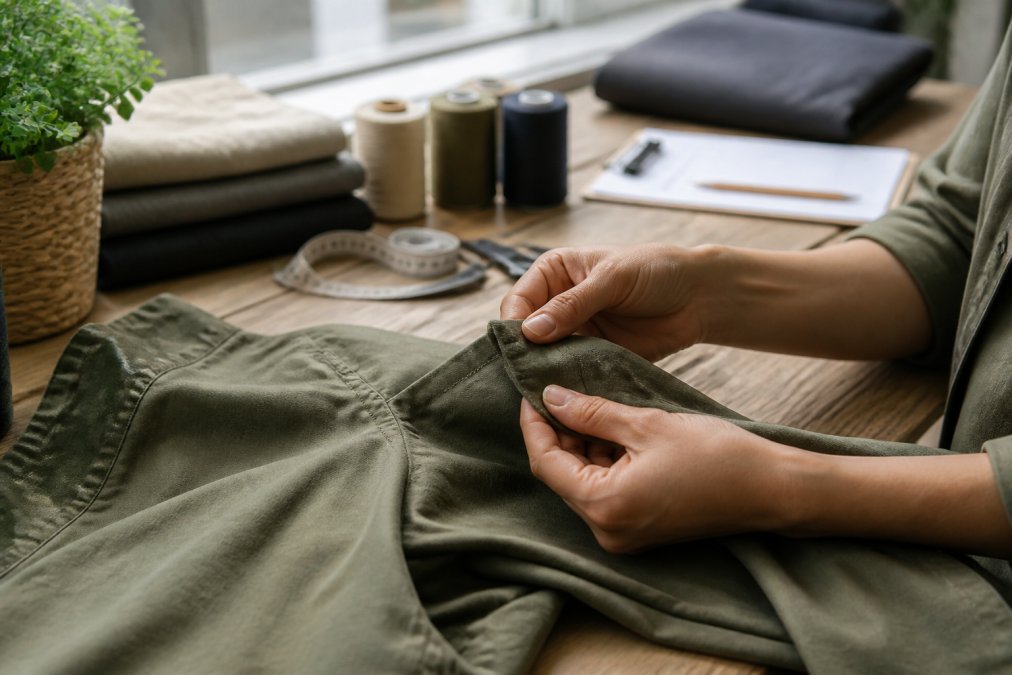
Identifying high-quality fabric requires understanding fiber composition and how tightly those fibers are woven or knitted together. Natural fibers like cotton, linen, and wool last longer than many synthetics because they maintain their structure through repeated stress. Long-staple cotton (like Pima or Egyptian cotton) resists pilling and holds its shape better than short-staple varieties.
Natural Fibers and Fabric Integrity
Natural fibers excel at durability because they're stronger when wet than when dry, meaning they can handle aggressive washing without degrading. Cotton strengthens as it ages with proper care. Linen becomes softer and more pliable over time without losing tensile strength. Wool naturally resists wrinkles and bounces back from compression.
Modal and bamboo blends, materials found throughout D'LA Boutique's collection, offer a middle ground. These semi-synthetic fibers are made from plant cellulose but processed into long, strong strands. Modal resists fading and maintains color vibrancy through many wash cycles. Bamboo fabric is naturally antimicrobial, reducing how often you need to wash it. Fewer washes mean less wear on the fibers.
Fabric weight and density matter significantly. A heavier cotton will outlast lightweight cotton. Denser knits resist pilling better than loose ones. Check weight specifications if available, they tell you how much fiber is actually in the piece.
:::pro Run the fabric between your fingers. Quality material should feel smooth and consistent, without thin spots or loose threads. If it feels papery or flimsy, durability will suffer regardless of what the label claims. :::
Construction Quality and Stitching
How a garment is sewn matters as much as what it's made from. Reinforced stitching at stress points, armpits, crotch seams, hem lines, separates clothing that lasts from clothing that unravels. Look for multiple rows of stitching on seams that bear weight. Two or three rows, or a zigzag stitch pattern, distributes stress across multiple threads so one breaking thread doesn't create a hole.
Hems reveal construction quality instantly. Flat-felled hems (where the raw edge is folded and stitched twice) last longer than simple folded hems. French seams enclose the seam allowance, preventing fraying and looking clean inside and out. Check buttonholes and button attachment for reinforced stitching in a box or X pattern. Zippers should have reinforced fabric behind them so the zipper pull doesn't tear through the material.
Capsule Wardrobe Essentials List for Longevity
Building a capsule wardrobe means selecting pieces that work together and serve multiple purposes. This approach naturally favors durable clothing because you're wearing each piece more often, so you need it to withstand that frequency.
The foundation starts with neutral basics in colors that don't show wear: black, white, navy, gray, and earth tones. These pieces layer easily and combine with almost everything else. From there, add versatile pieces in your preferred style.
Timeless Pieces That Outlast Trends
Timeless design means pieces that don't scream "2026" in a way that will look dated in three years. Classic silhouettes like straight-leg jeans, white button-ups, simple t-shirts, and neutral blazers have been worn for decades and will continue to be worn.
The best timeless pieces have minimal embellishment. Excessive logos, trendy prints, or novelty details date quickly. A well-cut piece in solid color or simple pattern remains relevant. Invest in quality basics that form the foundation: one or two pairs of well-fitting jeans, neutral t-shirts, plain button-ups, and simple sweaters. These should be made from durable materials like organic cotton, modal blends (like those featured in D'LA Boutique's collection), or quality wool.
Workwear-inspired pieces also age well because they're designed for durability and repeated wear. A quality white shirt or neutral blazer transitions from office to casual effortlessly. Structured pieces maintain their shape better than loose, unlined garments.
Versatile Basics for Every Season
Versatility extends the life of your clothing because each piece gets worn more often. A sweater that works over everything you own gets worn 100 times in a year. A trendy piece that only matches one outfit gets worn five times.
Layer-friendly pieces are essential. Fitted long-sleeve shirts work under everything. Lightweight cardigans add warmth without bulk. A well-made denim jacket transitions across seasons and styles. Tank tops and fitted tees serve as base layers in winter and standalone pieces in summer.
Choose basics in fabrics that perform across seasons. Modal and bamboo blends regulate temperature naturally, keeping you cool when it's warm and providing insulation when it's cold. These materials also dry quickly, which means you can wash them frequently without damaging them as much as cotton.
If everything you own is black, navy, and white, every piece combines with every other piece. Add grays and neutrals, and you've still got a highly versatile wardrobe. Introduce one or two accent colors that you genuinely love, and you've created a system where almost nothing sits unused.
Clothing Care and Maintenance Tips
How you care for durable clothing determines whether it actually lasts. The best-made garment falls apart quickly if you mistreat it.
Washing and Storage Best Practices
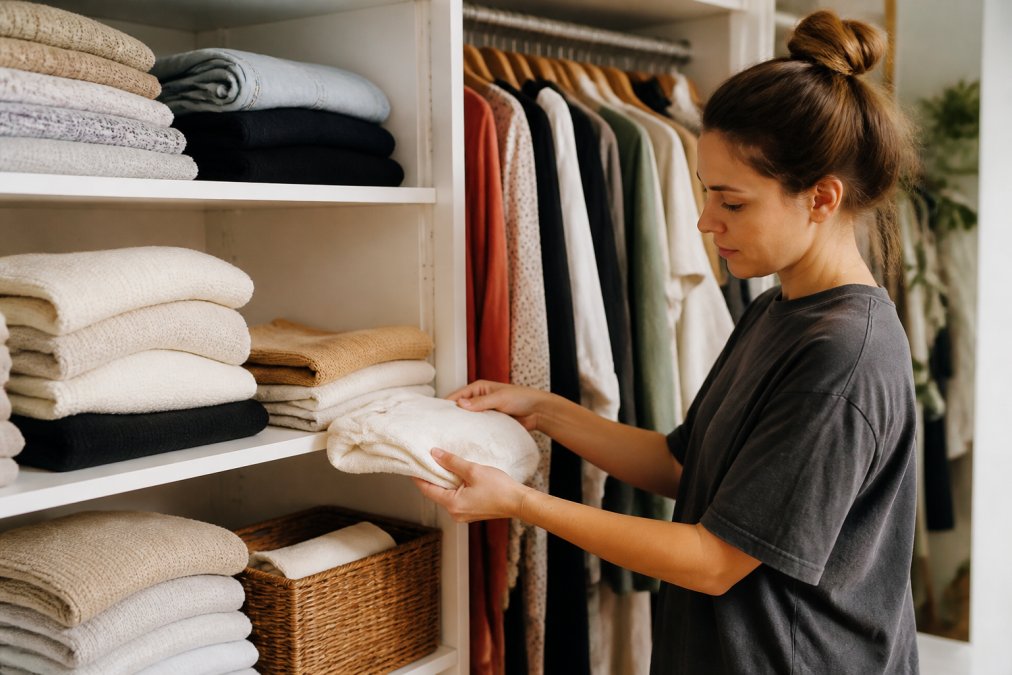
Wash modal and bamboo blends in cold water to reduce fading and stress on fibers. Hot water breaks down fabric faster and sets stains permanently. Most garments should be washed inside-out to protect the outer surface from friction and pilling.
Avoid overloading the washing machine. Clothes need space to move freely. Use a gentle cycle for delicate items and regular cycle for sturdy basics. Skip the dryer when possible; heat damages almost all fabrics. Air drying preserves elasticity and color vibrancy.
Gentle, enzyme-free detergents clean effectively without degrading material. Avoid bleach unless absolutely necessary. Storage affects longevity significantly. Fold most items and hang only structured pieces like blazers and jackets. Store in a cool, dry place away from direct sunlight, which fades color.
Repair and Upcycling for Extended Wear
A small hole or loose seam doesn't mean the garment is done. Quick repairs extend the life of durable clothing significantly. A torn seam can be re-sewn. A small hole can be patched. A missing button can be replaced.
Learn basic hand-sewing skills. Simple running stitches hold repairs together. Needle and thread cost pennies. For larger repairs, a local tailor charges reasonable rates and can often restore a garment to like-new condition. Upcycling transforms pieces you've outgrown into something new. Jeans become shorts. A worn t-shirt becomes a tote bag. These creative solutions keep garments in use.
Cost-Per-Wear: Why Durable Clothing Makes Financial Sense
Cost-per-wear is the most honest way to evaluate clothing purchases. It's calculated by dividing the price by the number of times you wear it. A $150 piece you wear 300 times costs 50 cents per wear. A $40 piece you wear 20 times costs $2 per wear. The expensive piece is actually cheaper over its lifetime.
This metric reveals which purchases are actually economical. Instead of asking "Can I afford this today?" ask "Will I wear this enough to justify the cost?" A piece that costs more but gets worn constantly becomes the bargain. A cheap piece that sits in your closet is pure waste.
Buying durable clothing reduces shopping frequency. Instead of replacing basics every season, you're replacing them every few years. That means less time shopping, less decision fatigue, and lower total spending even though individual prices are higher.
Sustainable and Ethical Manufacturing Standards
Durable clothing is inherently more sustainable than fast fashion because it stays in use longer. A garment worn for five years has a lower environmental impact per wear than one worn for one season, regardless of how it was made.
Ethical production means fair wages, safe working conditions, and reasonable environmental practices. Look for brands transparent about where and how their clothing is made. Many boutique retailers prioritize quality materials and construction that reflect commitment to longevity.
Sustainable manufacturing increasingly uses natural fibers grown without excessive pesticides and processed with minimal water waste. Bamboo and modal production has improved significantly, with many manufacturers now using closed-loop systems that recycle water and chemicals rather than dumping them.
Conscious consumption means buying less but choosing better. It means valuing pieces that will actually be worn rather than accumulating unworn items. Research brands before buying. Look for transparency about materials, manufacturing locations, and labor practices. Certifications like Fair Trade, GOTS (Global Organic Textile Standard), and B Corp indicate commitment to standards beyond just making clothes.
Building a wardrobe of durable clothing requires shifting your mindset from quantity to quality, from trends to timelessness, and from price tags to cost-per-wear. When you invest in pieces made from quality materials like bamboo and modal blends, constructed with reinforced stitching, and designed in classic silhouettes, you're building a foundation that actually works.
D'LA Boutique's curated collection of durable women's apparel, featuring high-quality materials and thoughtful design, makes this transition easier. By choosing pieces designed to last, caring for them properly, and building a capsule wardrobe around versatile basics, you'll spend less money, have more outfit options, and create a closet that actually reflects who you are.
Frequently Asked Questions
What makes clothing durable?
Durable clothing combines three factors: natural fiber content like cotton or wool, reinforced stitching at stress points, and tight weaves that resist pilling and fading. High-quality construction means seams won't unravel after repeated washing, and fabric density determines whether the garment holds its shape. Brands using certified organic materials and ethical manufacturing often invest in durability because their production costs reflect long-term quality rather than fast-fashion speed.
How can I tell if a garment is high quality?
Inspect the fabric weight and feel, quality pieces have substance, not flimsy fabric. Check seams for straight, tight stitching with no loose threads. Look at hems and closures: are they reinforced? Read fiber content: natural fibers like bamboo, modal, and organic cotton last longer than synthetic blends. Finally, check the brand's manufacturing transparency. Companies that disclose where and how they produce garments typically prioritize durability because they stand behind their work.
How should I care for my clothes to make them last longer?
Wash in cold water to prevent fading and fabric stress, and use gentle cycles for delicate items. Turn garments inside-out before washing to reduce pilling. Air-dry whenever possible instead of machine drying, which weakens fibers over time. Store folded or hung properly to prevent wrinkles and strain on seams. Address small repairs immediately, a loose button or small tear is quick to fix but becomes damage if ignored. These practices extend garment life by years and reduce the environmental impact of replacement.
Is expensive clothing always more durable?
Price doesn't guarantee durability. Some expensive brands rely on marketing rather than construction quality, while mid-range boutiques often deliver better value through careful fabric selection and ethical manufacturing. Compare specific factors: fiber content, stitching quality, and brand reputation for longevity. Calculate cost-per-wear by dividing the price by estimated wears over the garment's lifetime. A $80 piece worn 200 times costs $0.40 per wear, while a $40 fast-fashion item worn 20 times costs $2 per wear. Investment pieces in natural fibers from transparent manufacturers typically offer better durability than trendy fast-fashion alternatives.
What fabrics hold up best after multiple washes?
Natural fibers like organic cotton, linen, and wool maintain integrity through repeated washing. Bamboo and modal blends are durable when constructed with high thread count and tight weaves, resisting pilling and fading. Linen actually strengthens with age and washing. Avoid low-quality synthetic blends, which degrade faster and shed microfibers. Check the care label and fiber percentage, garments with 80% or higher natural fiber content typically outlast synthetic-heavy blends. Preshrunk and pre-treated fabrics also resist shape loss after washing.
How do I build a capsule wardrobe that lasts?
Start with neutral, timeless pieces in classic silhouettes: well-fitting jeans, plain t-shirts, simple dresses, and neutral jackets. Choose natural fibers and quality construction over trend-driven items. Build around a color palette so pieces mix and match easily. Prioritize versatile basics that work for both professional and casual settings. Invest in fewer, higher-quality items rather than many cheap pieces. Add statement pieces gradually, ensuring they coordinate with your foundation. This approach reduces waste, simplifies decisions, and ensures every piece gets worn repeatedly, maximizing cost-per-wear.
What's the difference between workwear and everyday wear in terms of durability?
Workwear is engineered for repeated wear and frequent washing, using reinforced stitching, heavier fabrics, and stress-tested construction. Everyday wear has similar durability principles but prioritizes comfort and style. The best everyday essentials borrow workwear durability standards, reinforced seams, natural fibers, and quality tailoring, without sacrificing aesthetics. Pieces that transition between professional and casual settings need both durability and versatility, making them ideal investments for a modern wardrobe.
Can I repair and upcycle durable clothing instead of replacing it?
Yes, quality construction makes repair worthwhile. Common fixes include replacing zippers, restitching seams, and patching small tears. Upcycling options include dyeing faded pieces, hemming, or repurposing sleeves into shorter styles. High-quality garments in natural fibers are easier to alter and repair than fast-fashion items. Learning basic repair skills extends garment life significantly and reduces waste. Many local tailors offer affordable services, making repair economically sensible for investment pieces.
This article was written using GrandRanker