

Comfortable Stylish Outfits vs Formal Wear: 2026 Guide
Table of Contents
- What Counts as Everyday Comfortable Stylish Outfits vs Formal Wear
- The Dress Code Spectrum: From Casual to White Tie
- Comfort vs Structure: Key Differences in Fit and Fabric
- When to Wear Formal vs Casual: Occasion Cheat Sheet
- How to Elevate Casual Outfits for a Polished Look
- Capsule Wardrobe Essentials That Bridge Both Worlds
- What High Quality Boutique Clothing Brands Get Right
- Conclusion
- Frequently Asked Questions
Last Updated: September 16, 2026
What Counts as Everyday Comfortable Stylish Outfits vs Formal Wear
Everyday comfortable stylish outfits are relaxed, movement-friendly combinations built from soft fabrics and simple silhouettes, while formal wear follows strict rules for structure, tailoring, and occasion. At D'LA Boutique, we see this split play out in customer questions every week: women want clothes that feel like loungewear but read as polished. The tension isn't comfort versus style. It's comfort versus structure, and knowing which one an occasion actually demands.
Here's the short version. Casual dressing prioritizes flexibility, breathability, and ease of care. Formal dressing prioritizes silhouette, fabric quality, and precise fit. Most people over-dress for casual events and under-dress for semi-formal ones, which is why the middle of the spectrum causes the most anxiety.
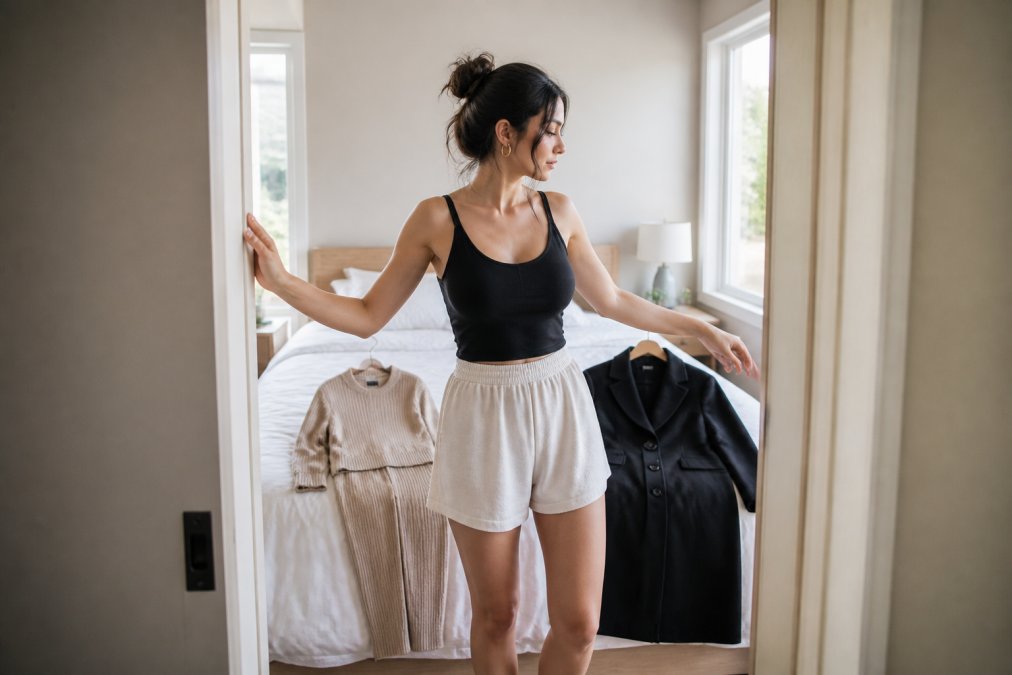
The Dress Code Spectrum: From Casual to White Tie
The dress code spectrum runs from casual through smart casual, business casual, cocktail attire, black tie, and white tie, with each step adding structure, formality, and fabric weight. Knowing where an event sits on that ladder removes most of the guesswork.
What most guides skip is the mechanism behind each rung. Formality is not a vibe; it is a set of physical signals the eye reads in under a second: how much skin is covered, how crisp the fabric's line is, how much shine the material carries, and how much the garment has been shaped by tailoring rather than by your body. Move up one rung and you are usually adding one of those four signals, not all of them.
- Casual: jeans, tees, soft knits, sneakers. Fabric does the work; the body sets the shape. Comfort rules.
- Smart casual: dark denim or tailored trousers, a clean top, loafers or clean boots. One structured element enters the outfit.
- Business casual: structured blazers, button-downs, midi skirts, closed-toe shoes. Tailoring now shapes the shoulder and waist.
- Cocktail attire: dresses or tailored separates in elevated fabrics, heels optional but dressy. Fabric weight and sheen rise; hem lengths shorten.
- Black tie: tuxedos and floor-length gowns, formal textiles, minimal accessories. Satin, silk, and tuxedo wool signal the tier.
- White tie: the most rigid tier, with tailcoats and full evening gowns. Every signal is maxed out at once.
Most invitations land in the smart casual to cocktail range.
One more thing the standard lists leave out: the same rung looks different on different bodies and in different rooms. A relaxed-fit trouser in a heavy crepe reads dressier than a slim trouser in a thin jersey, even though both are "tailored trousers." Judge the fabric and the finish, not just the category name.
Comfort vs Structure: Key Differences in Fit and Fabric
Comfort comes from stretch, weight, and breathability. Structure comes from tailoring, interfacing, and fabric that holds a shape. The two aren't opposites; they're a trade-off you manage per garment.
| Factor | Comfort-Led Pieces | Structure-Led Pieces |
|---|---|---|
| Fabric | Stretch blends, modal, jersey | Wool, lined cotton, heavy crepe |
| Fit | Relaxed, moves with you | Tailored, holds a line |
| Care | Machine wash cold, tumble dry low | Dry clean or careful hand wash |
| Best for | Daily wear, travel, errands | Meetings, events, presentations |
| Longevity | Softens with wear | Keeps shape with wear |
When to Wear Formal vs Casual: Occasion Cheat Sheet
Match the occasion's structure level, then adjust one step up if you're unsure. That single rule prevents both overdressing and underdressing.
- Office day with client meetings: business casual, structured blazer, tailored trousers.
- Office day with no meetings: smart casual, dark denim and a clean knit.
- Weekend errands: casual, joggers or straight-leg jeans with a simple top.
- Dinner reservation: smart casual to cocktail, depending on the venue.
- Wedding or gala: cocktail attire or black tie per the invitation.
- Travel day: comfort-led layers you can dress up on arrival.
The confidence angle most guides ignore
What you wear changes how you carry yourself, and that shows up in how others respond to you. Most people find that a structured layer produces a straighter posture and a slower, more deliberate pace, while a soft, relaxed outfit encourages a looser, more open manner. Neither is better; they are tools. If you have a presentation, a negotiation, or a first meeting, a structured piece is a practical choice, not a superficial one.
Budget-friendly ways to shift a rung
You do not need a formal wardrobe to move up the spectrum. Three low-cost moves cover most situations:
- Swap the shoe. A clean leather loafer or a simple low heel instantly reads dressier than a sneaker, and it is the single cheapest upgrade you can make.
- Add one structured layer. A blazer, a tailored coat, or a crisp button-down worn open over a soft base adds the tailoring signal without a new outfit.
- Tighten the palette. Two or three neutral tones in one outfit read more intentional than four or five, and neutrals mix across every rung of the spectrum.
Gender-neutral starting points
These rules are not split by gender. A structured coat, a straight-leg trouser, a clean knit, and a leather shoe work the same way on any body. Build the outfit around the signals, coverage, line, sheen, tailoring, and let the specific garment follow from your own style, not from a label on a rack.
Prestige Wool Statement Coat: Black →
How to Elevate Casual Outfits for a Polished Look
Elevating a casual outfit means adding one structured element, refining the fit, and keeping the palette tight. Three changes, no new wardrobe required.
Capsule Wardrobe Essentials That Bridge Both Worlds
A capsule wardrobe built around versatile pieces covers both casual and formal needs with fewer items. The goal is flexibility, not volume.
Build around these:
- One structured outer layer, like a tailored midi coat
- One pair of straight-leg jeans with moderate stretch
- One high-waist, tummy-control straight jean for dressier days
- One coordinated two-piece set for travel and lounging
- One elevated knit or half-zip top
- Neutral shoes that work with both denim and dresses
What High Quality Boutique Clothing Brands Get Right
High quality boutique clothing brands get three things right that mass retailers don't: fabric selection, fit consistency across sizes, and construction that survives repeated washing.

Conclusion
The real friction isn't choosing between casual and formal. It's owning enough versatile pieces that you can move between both without rebuilding your closet for every occasion. D'LA Boutique curates women's apparel designed for exactly that middle ground, with structured outerwear like the Prestige Wool Statement Coat, stretch straight-leg denim, and coordinated sets that work for lounging, errands, and dressing up.

Frequently Asked Questions
What are the key differences between casual and formal dress codes?
Casual dress codes prioritize comfort and flexibility, using relaxed fabrics like cotton, jersey, and stretch denim. Formal wear follows stricter rules: structured tailoring, elevated textiles like wool and silk, and specific silhouettes for events like black tie or white tie. The main differences come down to fabric quality, fit, and how much structure the garment provides. A stretch straight-leg jean works for smart casual, while a wool statement coat fits formal settings.
How can you elevate everyday outfits to look more polished?
Start with fit and fabric. Swap thin cotton tees for a modal or bamboo blend top, add a structured layer like a midi wool coat, and choose one refined accessory. Tucking your top and wearing a mid-rise or high-waist jean creates a cleaner silhouette. Layering a blazer or structured coat over casual pieces instantly reads more polished without sacrificing comfort. Small changes in tailoring and textile quality make the biggest visual difference.
Is it possible to be comfortable while wearing formal attire?
Yes, when the garment is cut and constructed well. Wool, modal blends, and moderate-stretch fabrics allow formal pieces to move with you rather than against you. Look for tailored coats with clean proportions, straight-leg trousers, and fabrics that breathe. The key is choosing structured pieces that fit your actual measurements, not squeezing into a size that fights your body. Proper tailoring turns formal wear from restrictive into wearable.
What defines high-quality boutique clothing for everyday wear?
High quality boutique clothing brands focus on fabric content, construction, and fit consistency. Look for specific material blends like modal, bamboo, and wool rather than vague "premium" claims. Check measurements per size, care instructions, and whether the brand shows real customer photos. Durable stitching, accurate sizing charts, and fabrics that hold up after multiple washes separate quality pieces from fast-fashion alternatives that fade or lose shape quickly.
How do you build a capsule wardrobe that works for both casual and formal settings?
Build around neutral, versatile pieces: a structured wool coat, two pairs of well-fitting jeans (one light denim, one darker straight-leg), a modal or bamboo top, and one elevated layer like a blazer or velvet set. Choose items that can shift between settings with a shoe or accessory change. Stick to a tight color palette so everything mixes. A capsule wardrobe essentials list should include pieces that work for at least three occasions each.