

Minimalist Work Wardrobe Essentials for Women
Table of Contents
- What Makes a Work Wardrobe Truly Minimalist
- The Core Essentials Every Minimalist Work Wardrobe Needs
- Capsule Wardrobe Work Outfits You Can Wear All Week
- How to Build a Work Capsule Wardrobe Step by Step
- Best Fabrics for Professional Clothing That Lasts
- Styling for Different Body Types and Dress Codes
- Caring for Your Essentials So They Last
- Conclusion
- Frequently Asked Questions
Last Updated: September 13, 2026
What Makes a Work Wardrobe Truly Minimalist
A minimalist work wardrobe is a small, tightly edited collection of interchangeable pieces that mix into many professional outfits without decision fatigue. This guide from D'LA Boutique breaks down which pieces earn their place, how to build the collection, and how to care for each item.
The core idea: fewer pieces, higher quality, more combinations. A wardrobe of 25 carefully chosen items can produce more distinct outfits than a closet of 100 random purchases, because every piece works with every other piece.
In practice, most people get it backwards: they buy a few "basics," keep shopping for fun pieces, and end up with a closet that's smaller but functionally no different. Real minimalism isn't deprivation, it's discipline in what you allow in.
The Core Essentials Every Minimalist Work Wardrobe Needs
Start with neutral, versatile pieces that layer easily. The essentials fall into two categories: tops and layers, and bottoms and outerwear. Everything else is optional.
Tops and Layers
Your tops do the heavy lifting. Aim for five to seven pieces in a neutral palette that work with every bottom you own.
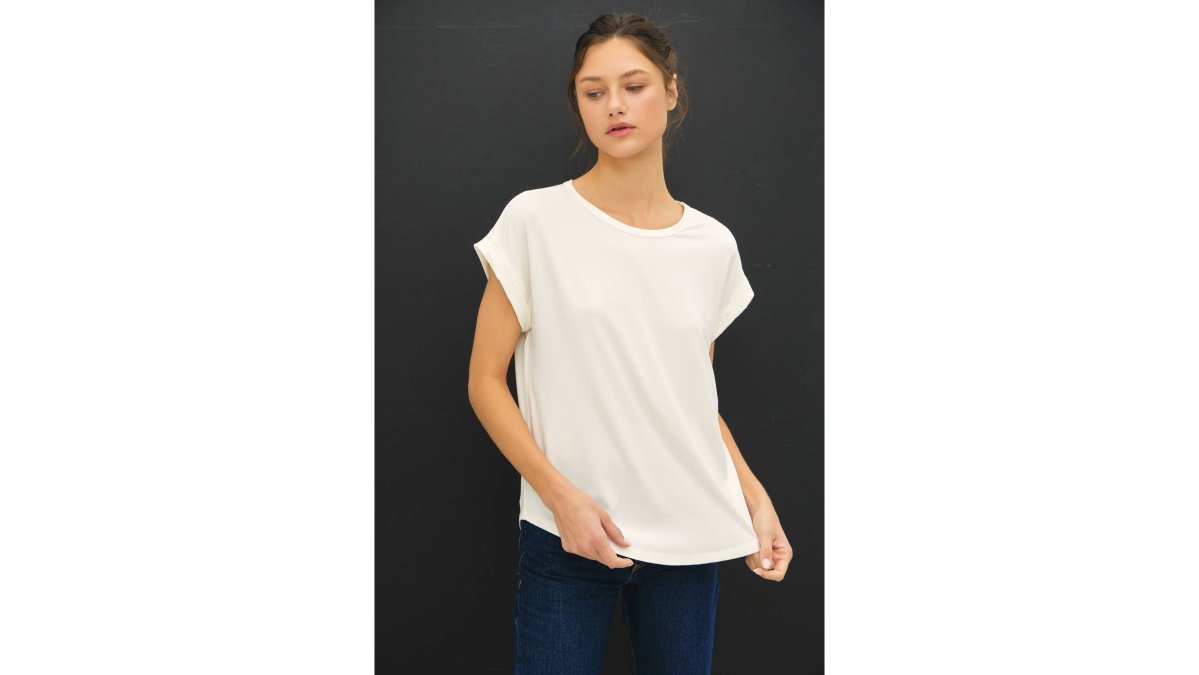
- Three to four bamboo-modal t-shirts in black, off-white, and sage, which layer under blazers and cardigans
- Two button-down shirts in white and light blue
- One soft knit cardigan in black or gray for temperature control
- One structured blazer in navy or charcoal
Bamboo and modal blends are worth prioritizing: they feel cool against the skin, hold their shape through repeated wear, and resist the pilling cheap cotton develops after a few washes.

Bottoms and Outerwear
Two pairs of tailored trousers, one dark-wash straight-leg jean, and one midi skirt cover nearly every dress code. For outerwear, one well-cut coat does more for a professional silhouette than three mediocre ones, a midi-length wool coat with clean lapels reads as executive-ready over everything from a t-shirt to a full suit.
Capsule Wardrobe Work Outfits You Can Wear All Week
A capsule wardrobe work outfit is any combination of your core pieces that reads as intentional rather than thrown together. With the essentials above, you can build a full week of distinct looks without repeating a combination.
Here's how a five-day rotation looks:
| Day | Top | Bottom | Layer | Occasion |
|---|---|---|---|---|
| Monday | Bamboo-modal tee (black) | Tailored trouser | Blazer | Client meetings |
| Tuesday | Button-down (white) | Straight-leg jean | Cardigan | Standard office |
| Wednesday | Bamboo-modal tee (sage) | Midi skirt | Wool coat | Presentations |
| Thursday | Button-down (light blue) | Tailored trouser | Blazer | Internal reviews |
| Friday | Bamboo-modal tee (off-white) | Straight-leg jean | Cardigan | Smart casual |
The magic is in the palette. When every top shares a neutral base, you can grab any combination in the dark and still look put together.

How to Build a Work Capsule Wardrobe Step by Step
Building a work capsule wardrobe takes about four weeks and three focused shopping sessions. Rushing it is the fastest way to end up with pieces you don't wear.
Step 1: Audit what you own. Pull everything out. Separate into three piles: wear weekly, wear occasionally, never wear. Donate or store the third pile. Be honest about the second.
Step 2: Identify the gaps. Lay out your "wear weekly" pile and note what's missing. Most people have plenty of tops but no layering pieces, or five pairs of jeans and zero tailored trousers.
Step 3: Set a color palette. Choose two neutrals (black and off-white, or navy and gray) plus one accent. Stick to it for at least a year.
Step 4: Buy in order of priority. Bottoms first, then tops, then layers, then outerwear. Bottoms are the hardest to fit and the most impactful when they work.
Step 5: Test each new piece against three existing items. If it doesn't combine with at least three things you already own, don't buy it.
Best Fabrics for Professional Clothing That Lasts
The best fabrics for professional clothing resist wrinkling, hold their shape through repeated wear, and tolerate regular washing without fading. Fabric choice matters more than price tag for longevity.
- Bamboo and modal blends: Soft, breathable, and cool to the touch. Excellent for t-shirts and layering pieces.
- Wool and wool blends: Best for structured outerwear and tailored pieces. Holds shape, resists odor, and looks polished.
- Cotton with a small percentage of spandex: Good for jeans and casual trousers. The stretch prevents bagging at the knees.
- Rayon blends: Drape well and feel soft, making them ideal for cardigans and knit layers.
What most guides miss is that care matters as much as fiber content. A $200 wool coat treated carelessly will look worse after a year than a $68 coat washed and stored properly. Check the FTC care labeling requirements to understand what those fabric tags actually guarantee.

Styling for Different Body Types and Dress Codes
Minimalist styling works for every body type because the palette does the heavy lifting, not the silhouette. The key is adjusting proportions, not abandoning the capsule approach. Two levers do most of the work: rise and hem.
Proportion Adjustments by Body Type
Longer torso, shorter legs. Choose higher-rise bottoms and tuck your tops. An 11- to 12-inch rise sits at or above the natural waist, visually shortening the torso while lengthening the leg line. Pair with a tucked button-down and a blazer that ends at the hip bone, not mid-thigh.
Shorter torso, longer legs. Opt for mid-rise bottoms (9- to 10-inch rise) and leave tops untucked with a high-low hem or a French tuck at the front only. A cropped cardigan that ends at the waistband adds vertical space without breaking the palette.
Straight or athletic build. Structured layers create the shape the body doesn't. A blazer with a defined shoulder seam and a single-button closure at the natural waist reads as tailored even over a plain tee. Avoid boxy coats that erase the waist.
Curvy or hourglass build. Wrap-style tops, belted cardigans, and blazers with princess seams follow the body's line instead of fighting it. A midi skirt that hits at the narrowest part of the calf elongates the leg; one that hits mid-calf can shorten it.
Plus-size build. The same rules apply, but fabric weight matters more. Mid-weight wool blends and ponte knits hold structure without clinging; thin rayon and stiff poplin drape poorly or pull at the seams. Look for at least 2% spandex so the piece moves with you through a full workday.
Dress Codes by Industry
Dress codes vary more than most people assume, and the same capsule can satisfy three of them. It's the layer, not the base, that signals formality. Swap the cardigan for a blazer and you move from casual to corporate in ten seconds.
Corporate and finance. Tailored trousers, structured blazers, closed-toe shoes, and a button-down or fine-gauge knit. Denim is generally out. A midi-length wool coat over the blazer reads as executive-ready. Keep jewelry minimal and metal-toned.
Business casual (most office environments). Dark-wash straight-leg denim is acceptable, as are knit layers and clean sneakers in solid colors. A button-down with a cardigan and tailored trousers is the safest uniform. Avoid distressed denim, graphic tees, and athletic shoes.
Creative and agency. Smart casual is the floor, not the ceiling. Straight-leg jeans with a button-down or a clean t-shirt work, and a blazer can be swapped for a structured jacket or an oversized cardigan. The palette still does the work, a monochrome outfit in black, off-white, or sage reads as intentional even when the silhouette is relaxed.
Tech and startup. The widest range. A bamboo-modal tee with straight-leg jeans and a clean sneaker is standard; a blazer over the same base handles a client meeting without a full change. One capsule covers both the everyday and the occasional formal moment.
Caring for Your Essentials So They Last
Care is where minimalist wardrobes either thrive or fall apart. A small wardrobe gets worn more often, so each piece must withstand more wash cycles than it would in a larger closet. Most guides stop at "wash cold, hang dry." The real longevity gains come from matching the care routine to the fiber, not applying one rule to everything.
Fabric-by-Fabric Care
Bamboo and modal blends. Wash in cold water on a gentle cycle with a mesh laundry bag to prevent stretching. Lay flat to dry, heat breaks down the fiber and causes the pilling that makes cheap blends look worn after a few washes. Skip the dryer entirely. A bamboo-modal tee cared for this way typically holds its shape through 50 or more wears; one dried on high heat can pill within 10 (PubMed).
Wool and wool blends. Dry clean wool coats once per season at most. Between cleanings, brush with a soft garment brush to lift dust and air the coat overnight after each wear. For wool trousers and blazers, spot-clean with a damp cloth and mild detergent rather than dry cleaning after every wear, the solvents strip natural lanolin and dull the fabric. Store wool folded, not hung, when it's not in rotation.
Cotton with a small percentage of spandex. Wash inside out in cold water and tumble dry on low or lay flat. The spandex is what prevents bagging at the knees and elbows, and heat is what destroys it. A cotton-spandex trouser washed in hot water and dried on high can lose its stretch within a season.
Rayon blends. Rayon weakens when wet, so hand-wash or use a delicate cycle and never wring the fabric. Lay flat to dry on a towel to preserve the drape. Hanging wet rayon stretches it out of shape permanently.
Denim. Turn jeans inside out before washing and wash them no more than every three to four wears; airing overnight handles most odor. When you do wash, use cold water and hang to dry, the dryer fades the indigo and breaks down the cotton fibers.
Storage and Rotation
Store knits folded, not hung, hanging stretches the shoulders over time. Use a shelf or drawer with cedar blocks to deter moths, especially for wool. Hang structured pieces, blazers, tailored trousers, coats, on wide wooden or padded hangers that support the shoulder seam.
Rotate your capsule so pieces rest between wears. A wool blazer worn two days in a row doesn't have time to release moisture and odor; worn every other day, it stays fresher and needs cleaning less often. A simple pattern is to alternate two blazers and two pairs of trousers through the week.
Repair Before You Replace
Minimalism depends on longevity, and the cheapest way to extend a garment's life is a small repair kit. Keep black and navy thread, a needle, spare buttons, and a fabric shaver on hand. A loose button or a small pull in a knit is a five-minute fix that saves a $100-plus replacement. For wool, a fabric shaver removes pilling without cutting into the weave. For denim, a simple stitch on a fraying hem prevents the tear from spreading.
The Over-Washing Problem
A common mistake is over-washing. Most office clothing doesn't need washing after every wear if it's aired properly. Spritzing with a fabric refresher and hanging overnight extends wear cycles significantly: a button-down over a t-shirt can go two or three wears, a blazer five or more. The more you extend wear cycles, the longer each piece lasts, and the less you spend replacing it.
Conclusion
Building a minimalist work wardrobe takes patience, and the temptation to buy one more "just in case" piece never fully goes away. The reward is a closet where every item gets worn, every outfit comes together in under a minute, and nothing sits unworn for a season. D'LA Boutique carries the bamboo-modal tops, soft knit cardigans, and structured outerwear that make this approach work in practice, with a plus-size collection and multiple payment options to make building the capsule straightforward. Get started with D'LA Boutique and build a work wardrobe that earns its space.
Frequently Asked Questions
What are the core essentials for a minimalist work wardrobe?
A minimalist work wardrobe typically includes 8 to 12 versatile pieces: 2-3 neutral tops like bamboo-modal t-shirts, 1-2 button-downs or cardigans, 2 pairs of tailored trousers or straight-leg jeans, 1 blazer or structured coat, and 1-2 skirts or dresses. Stick to a neutral palette so everything mixes and matches. D'LA Boutique's bamboo-modal dolman tee at $29 and the Prestige Wool Statement Coat at $68 are strong starting points that layer easily across seasons.
How do you build a professional capsule wardrobe on a budget?
Start with the pieces you wear most and buy them in neutral colors. Focus on cost-per-wear rather than upfront price. A $68 wool coat worn three times a week for two winters costs less per wear than a $30 fast-fashion jacket that pills after a month. Shop end-of-season sales for investment pieces, and use affordable basics like a button-down cardigan to stretch your outfit combinations further.
What fabrics are best for a sustainable and comfortable work wardrobe?
Bamboo and modal blends are excellent for work wardrobes because they are soft, breathable, and hold their shape after repeated washes. Wool is a top choice for structured outerwear due to its durability and natural temperature regulation. Cotton with a small amount of spandex, like the dark wash straight jeans (93% cotton, 5% polyester, 2% spandex), offers stretch and recovery for all-day comfort. Avoid fabrics that pill or lose shape quickly.
How many items should be in a minimalist work wardrobe?
Most minimalist work wardrobes land between 30 and 40 items total, including shoes and accessories. The exact number matters less than whether each piece works with at least three others. A tight 12-piece core (tops, bottoms, layers) can generate over 20 distinct outfits when you stick to a neutral palette. Start with 10 to 15 pieces, track what you actually wear for a month, and add only what fills a real gap.