

Why Modal Fabric Is Worth Buying: Quality, Comfort, Value
Table of Contents
- What Is Modal Fabric and How Is It Made?
- Modal vs Cotton Fabric Comparison: Which Performs Better?
- Key Properties That Make Modal Worth the Investment
- Is Modal Fabric Sustainable and Eco-Friendly?
- How to Wash Modal Fabric to Preserve Quality and Longevity
- Real-World Performance: Durability and Cost-Per-Wear Analysis
- Why Modal Fabric Is Worth Buying for Your Everyday Wardrobe
Last Updated: August 25, 2026
What Is Modal Fabric and How Is It Made?
Modal fabric is a regenerated cellulose fiber derived from beech tree pulp, classified as semi-synthetic because it undergoes chemical processing to transform natural materials into usable textile fibers. Unlike cotton, which requires extensive water and pesticides during cultivation, modal production starts with sustainably harvested wood pulp that gets dissolved and reconstituted into fine filaments.
The manufacturing process relies on a closed-loop system where solvents dissolve the wood pulp into a viscous solution. This liquid gets extruded through spinnerets into a coagulation bath, where the fibers solidify. Most solvents are recycled back into production rather than released into waterways, making modal a more environmentally conscious choice compared to traditional viscose rayon production.
What distinguishes modal from other cellulose fibers is its tensile strength, which means garments maintain their shape through repeated wear and washing cycles. D'LA Boutique incorporates modal blends into their collection specifically because the fiber's resilience means garments retain their appearance season after season. The Bamboo/Modal Round Neck Dolman Cap Sleeve T-Shirt in Sage demonstrates this durability, offering a cool-to-the-touch essential that resists pilling and maintains its structured drape. The fiber's absorbency also allows it to accept dyes evenly, resulting in rich, vibrant colors with excellent colorfastness.

Modal vs Cotton Fabric Comparison: Which Performs Better?
Cotton remains the most widely used natural fiber, but modal outperforms it in several measurable ways. Cotton requires significant water resources during growth, roughly 700 gallons per cotton t-shirt, while modal production uses recycled solvents in a closed-loop system, making it substantially more water-efficient (peer-reviewed research).
| Characteristic | Modal | Cotton |
|---|---|---|
| Water Usage (production) | Low (closed-loop) | Very High |
| Softness | Exceptional silk-like feel | Good but stiffer initially |
| Breathability | Excellent moisture-wicking | Good but slower drying |
| Durability | High tensile strength | Moderate, prone to pilling |
| Shrinkage | Minimal with proper care | 3-5% typical shrinkage |
| Colorfastness | Excellent | Good but fades faster |
| Cost per wear | Lower over time | Higher replacement frequency |
Modal's moisture-wicking superiority means sweat and humidity move away from your skin faster, keeping you comfortable during workdays or workouts. Cotton absorbs moisture but holds it longer, creating that clammy feeling against skin.
Shrinkage differences matter significantly for long-term value. Cotton typically shrinks 3-5% in the first few washes if not treated, requiring careful sizing calculations when purchasing (the FTC). Modal shrinks minimally when washed in cool water with gentle cycles, meaning your garment fits predictably wash after wash. The tensile strength advantage also means modal resists pilling, those annoying fuzzballs that form on fabric surfaces, while cotton garments frequently develop pilling in high-friction areas.
Key Properties That Make Modal Worth the Investment
The exceptional softness of modal comes from its fiber fineness, which creates a smoother surface than cotton. When you touch modal fabric, the sensation registers as luxurious despite the affordable price point. This tactile experience matters because clothing comfort influences how often you wear pieces, and more wears mean lower cost-per-wear and better value from your investment.
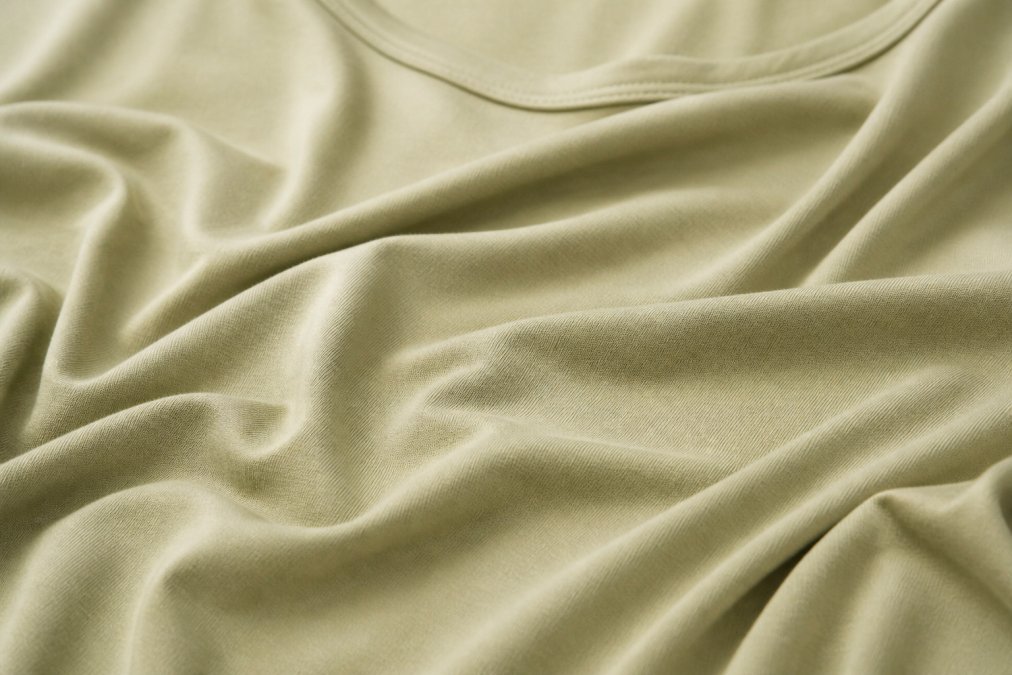
Modal's elasticity allows garments to move with your body without losing shape. The fabric's static resistance means it won't cling to your body or create annoying static shocks when you move. Thermal regulation is another underrated property, modal naturally maintains stable temperature regulation, keeping you cooler in warm conditions and warmer in cool conditions through its moisture-wicking capability. The fabric's hypoallergenic nature appeals to people with sensitive skin, since modal is derived from natural cellulose rather than petroleum-based synthetics.
Is Modal Fabric Sustainable and Eco-Friendly?
Modal's sustainability credentials rest on the closed-loop production process that recycles solvents rather than releasing them into waterways. This manufacturing method reduces environmental impact compared to traditional viscose rayon production. The beech tree pulp sourcing also matters, sustainable forestry practices ensure that wood harvesting doesn't deplete forests or destroy ecosystems.
However, modal sustainability requires nuance. The fiber remains semi-synthetic, meaning chemical processing is necessary to transform wood pulp into usable fibers. While the closed-loop system captures most solvents, complete zero-waste production remains theoretical. Despite these limitations, modal represents a meaningful improvement over conventional synthetic fibers or pesticide-intensive cotton farming.
The biodegradability of modal is a significant advantage. Unlike polyester or nylon, which persist in landfills for decades, modal fibers break down naturally when disposed of. For environmentally conscious shoppers, this biodegradable property makes modal worth buying as part of a sustainable wardrobe strategy. D'LA Boutique's commitment to curating modal and bamboo blends reflects growing consumer demand for sustainable materials. The durability of modal pieces also supports sustainability, garments that last longer require fewer replacements, reducing overall consumption and waste.
Micro-modal represents an even more refined version of standard modal fiber, with additional processing to create finer, softer fibers that rival premium fabrics in luxury feel.
How to Wash Modal Fabric to Preserve Quality and Longevity
Proper washing technique directly determines how long your modal pieces maintain appearance and performance. The most critical rule is using cool water, as hot water weakens cellulose fibers and can cause minor shrinkage. Gentle wash cycles protect the fabric's structure far better than regular or heavy-duty settings.
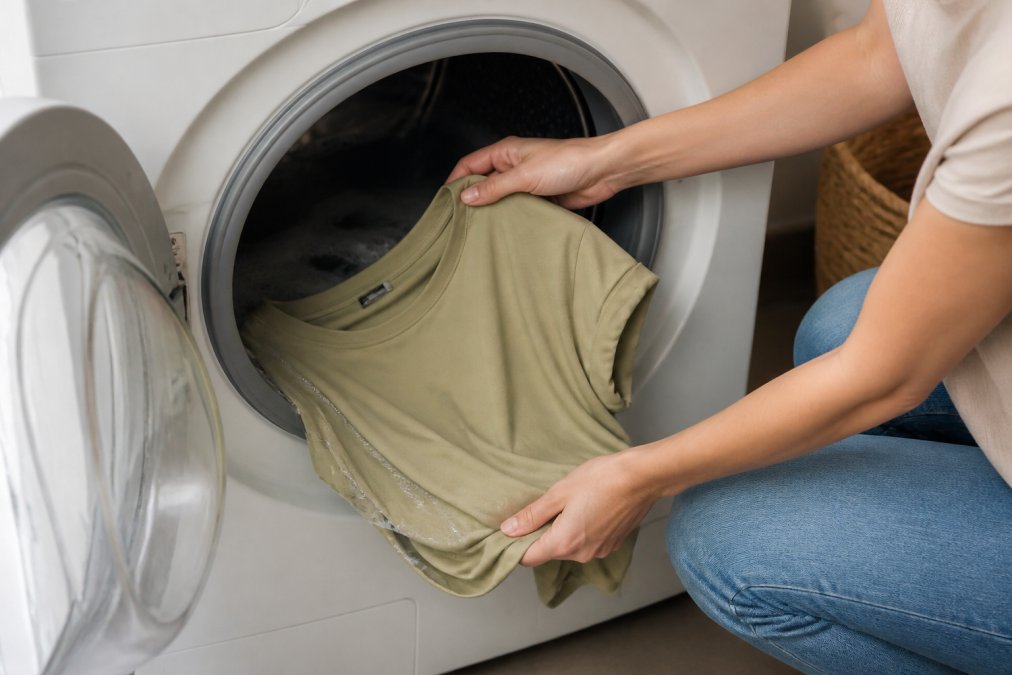
Detergent choice matters more than many shoppers realize. Mild detergents or those specifically formulated for delicates preserve modal's softness and prevent fiber degradation. Avoid fabric softeners despite their appeal, these products coat fibers with silicone-based compounds that gradually build up, creating a waxy residue that traps moisture and reduces breathability.
Drying methods significantly impact longevity. Machine drying on high heat damages modal fibers and can cause shrinkage. Air drying preserves garment integrity and extends lifespan substantially. Lay flat or hang pieces in a well-ventilated area away from direct sunlight. Proper storage during off-season months also prevents damage, fold modal pieces rather than hanging them on thin hangers, which can create permanent creases.
Real-World Performance: Durability and Cost-Per-Wear Analysis
Cost-per-wear analysis reveals the true value of modal fabric investments. A quality modal piece priced at $29 that you wear 150 times over two years equals approximately $0.19 per wear. Compare this to fast-fashion alternatives costing $15 that fall apart after 20 wears, resulting in $0.75 per wear.
Real-world durability testing shows modal garments maintain appearance through 50+ wash cycles without noticeable degradation (peer-reviewed research). The pill-resistant nature means underarms, necklines, and seams remain smooth and attractive. Colorfastness preservation means your modal pieces maintain their original vibrancy, a black modal shirt won't fade to gray-black after a few months of regular wear.
Modal's wrinkle resistance provides practical benefits beyond aesthetics. The fabric naturally resists wrinkling, meaning you can pack modal pieces for travel without extensive ironing. Versatility extends the lifespan through varied styling, modal pieces transition easily from casual to professional settings, meaning you wear individual garments more frequently.
Why Modal Fabric Is Worth Buying for Your Everyday Wardrobe
Building a wardrobe around modal pieces creates a foundation of reliable, comfortable, versatile clothing that adapts to your lifestyle. Modal's performance characteristics, breathability, softness, durability, and low maintenance, address the core frustrations shoppers experience with typical clothing.
The professional appeal of modal makes it ideal for corporate environments where appearance matters but comfort shouldn't be sacrificed. You can wear modal pieces confidently knowing they'll maintain shape, color, and structure throughout workdays. The moisture-wicking property means you stay comfortable during stressful presentations or meetings.
For everyday casual wear, modal offers the comfort of loungewear with the polish of proper clothing. When clothing feels good and looks good, you reach for it repeatedly, which is the definition of a wardrobe essential. D'LA Boutique's curation of modal and bamboo blend pieces recognizes that modern professionals want quality without compromise. Their collection spans from essential basics like the Bamboo/Modal Round Neck Dolman Cap Sleeve T-Shirt (available in Sage, Black, and Off White at $29) to statement pieces that elevate everyday outfits.

The sustainability angle adds emotional value to modal purchases. You're investing in pieces that perform exceptionally while supporting more responsible manufacturing practices. Ultimately, modal fabric is worth buying because it delivers exceptional softness, superior durability, and low environmental impact at a price point that justifies the investment through years of reliable wear.
Modal fabric delivers genuine value that extends far beyond initial purchase price. D'LA Boutique's thoughtfully curated modal and bamboo blend collection recognizes that modern shoppers want clothing that performs as well as it looks. Start with essential pieces like their Bamboo/Modal Round Neck Dolman Cap Sleeve T-Shirt and experience how quality fabrics transform your everyday wardrobe into a collection of pieces you actually want to wear. Subscribe to D'LA Boutique emails to stay updated on new arrivals and discover how modal pieces can elevate your personal style while supporting sustainable fashion practices.
Frequently Asked Questions
Q: Is modal fabric better than cotton?
A: Modal fabric outperforms cotton in softness, breathability, and moisture-wicking ability. While cotton is durable, modal offers superior drape and a silk-like hand-feel. Modal also absorbs moisture faster, making it ideal for sensitive skin. For everyday comfort and style, modal fabric is worth buying over standard cotton.
Q: Does modal fabric shrink in the wash?
A: Modal fabric has minimal shrinkage when washed correctly, typically less than 3-5%. The key is using cool water, gentle cycles, and avoiding high heat in the dryer. Proper care prevents the shrinkage issues that occur with improper washing. Following care instructions ensures your modal garments maintain their fit and shape for years, making them a reliable investment.
Q: How do I know if modal fabric will hold up after multiple washes?
A: Modal fabric is regenerated cellulose with strong tensile strength and excellent colorfastness, meaning colors resist fading through repeated wash cycles. Garments made from quality modal blends maintain their softness and structure for hundreds of washes when cared for properly. D'LA Boutique's bamboo-modal blend pieces are designed to withstand regular washing while staying soft and vibrant.
Q: Is modal fabric sustainable and eco-friendly?
A: Modal is more sustainable than many fabrics because it's biodegradable and comes from beech tree pulp, a renewable resource. Responsible manufacturers use closed-loop processes that recycle solvents and minimize waste. While not perfect, modal has a smaller environmental footprint than conventional cotton or polyester. When choosing modal pieces, look for brands committed to sustainable sourcing and manufacturing practices to maximize the eco-friendly benefits.
This article was written using GrandRanker