

How to Avoid See Through Clothes: 7 Proven Methods
Table of Contents
- Understanding Fabric Opacity and Sheerness
- Best Underwear for White Pants and Light Clothing
- Choosing the Right Fabric Weight and Density
- Is Bamboo Fabric Good for Summer Without Showing Through
- How to Layer Sheer Dresses and Shirts Effectively
- Using Slips, Camisoles, and Strategic Layering Pieces
- Testing Clothes Before Purchase to Avoid See Through Fabrics
- Common Mistakes to Avoid When Styling Sheer Clothing
Last Updated: August 28, 2026
Understanding Fabric Opacity and Sheerness
Fabric opacity is the degree to which material blocks light from passing through it. Sheer fabrics allow significant light transmission, while opaque fabrics block it almost entirely. Most everyday clothing falls somewhere in between, which is why layering and fabric selection matter.
The sheerness of a garment depends on three factors: fiber type, fabric weight, and weave density. Natural fibers like cotton and linen tend to be more transparent than densely woven synthetics. Bamboo fabric, while breathable and moisture-wicking, requires careful consideration when worn as a single layer in light colors. D'LA Boutique's carefully curated collection includes pieces designed with opacity in mind, particularly their bamboo and modal blends that balance breathability with coverage.
Translucency becomes an issue primarily with light-colored garments. White, cream, pale pink, and light gray show through more easily than darker shades. Testing opacity before purchase saves frustration: hold the garment up to natural window light and observe how much of your hand or arm you can see through it.
Best Underwear for White Pants and Light Clothing
Choosing the right underwear for white pants and light clothing is essential to avoid visible panty lines and unwanted transparency. The color, fabric, and fit of your undergarments directly determine what shows through.
Skin-tone underwear remains the gold standard for white and light-colored bottoms. Match the underwear shade to your actual skin tone, not to the garment color. Seamless and laser-cut styles eliminate visible panty lines entirely, which is crucial when wearing fitted pants or skirts.
Synthetic underwear typically works better than cotton for avoiding show-through. Nylon and spandex blends have less translucency and stretch more conformably to your body. Look for underwear with a gusseted crotch, the double-layer construction provides coverage and prevents transparency where it matters most. Proper fit should feel invisible, you shouldn't be aware you're wearing it.
Choosing the Right Fabric Weight and Density
Fabric weight determines how much light passes through a garment. Measured in grams per square meter (GSM), heavier fabrics naturally block more light (astm.org). A lightweight cotton at 100 GSM will be considerably more transparent than a midweight cotton at 150 GSM (peer-reviewed research).
Density refers to how tightly fibers are woven together. High-density weaves create opaque fabrics even when made from lightweight materials. Synthetic blends often provide better opacity than pure natural fibers. A polyester-cotton blend offers the breathability of cotton with the light-blocking properties of synthetics. D'LA Boutique's collection balances these competing needs with thoughtfully selected blends that maintain both comfort and opacity.
Is Bamboo Fabric Good for Summer Without Showing Through
Bamboo fabric offers excellent breathability and moisture-wicking properties ideal for summer wear. However, bamboo fabric alone may not provide sufficient opacity in light colors without strategic layering.
Bamboo viscose, the most common form, has a smooth surface that can be semi-sheer when made into lightweight garments. Heavier bamboo blends or densely woven bamboo fabrics perform better, particularly when combined with other fibers. Bamboo-modal blends offer the best of both worlds for summer wear. Modal, derived from beech wood pulp, has natural opacity properties that complement bamboo's breathability (the FDA). D'LA Boutique specifically features bamboo and modal blends in their collection because this combination solves the transparency problem without sacrificing breathability.
For summer wear, consider bamboo fabric weight and construction carefully. A 150+ GSM bamboo blend in a solid weave will perform far better than a 100 GSM lightweight bamboo. If you love bamboo fabric but worry about transparency, layering with a lightweight camisole or slip maintains breathability while ensuring coverage.
How to Layer Sheer Dresses and Shirts Effectively
Layering sheer dresses and shirts requires understanding how different pieces work together to create opacity without bulk or overheating. Start with a fitted base layer that matches the dress color when possible. A skin-tone camisole under a sheer white dress creates less visual disruption than a white camisole would.
For sheer dresses, consider the neckline and sleeve design before choosing your layering piece. A sleeveless sheer dress needs a sleeveless or thin-strapped camisole. Bodysuit-style layers provide excellent coverage without shifting and work particularly well for fitted sheer dresses.
Fabric breathability matters when layering. A breathable camisole or bodysuit prevents the trapped heat that makes layered outfits uncomfortable in warm weather. Moisture-wicking synthetic blends work better than heavy cotton for this purpose. Length coordination prevents awkward gaps or bunching, a camisole should extend far enough down that no skin shows between it and your pants or skirt waistband.
Using Slips, Camisoles, and Strategic Layering Pieces
Slips and half-slips are purpose-built solutions for avoiding see-through issues with dresses and skirts. A full slip extends from shoulders to hemline and provides complete coverage. A half-slip covers from waist to hemline, making it ideal for sheer dresses worn with fitted tops.
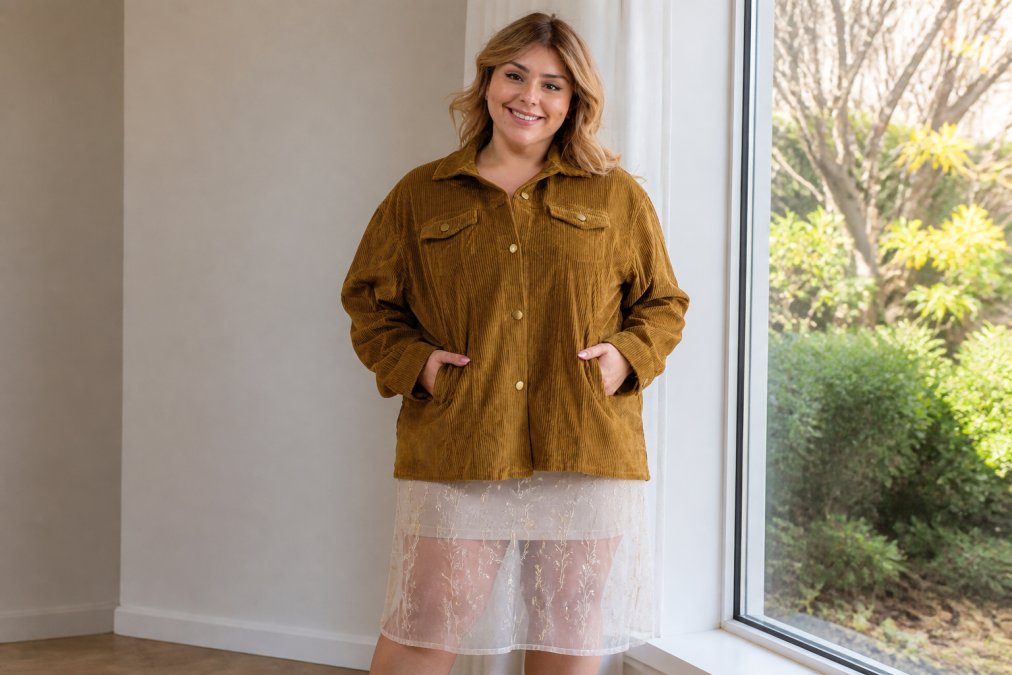
The fabric of your slip matters significantly. Silky slips reduce friction and prevent static cling, which occurs when synthetic outer fabrics rub against cotton slips. Nylon or polyester slips minimize this problem. Camisoles work best for dresses with defined waistlines or when you want visible layering as part of your style. A fitted camisole under a sheer dress creates intentional contrast rather than looking accidental.
Half-slips excel when wearing sheer skirts with fitted tops. They provide lower-body coverage without adding bulk at the chest. Length and fit are critical for slip and camisole success, a slip that's too short creates gaps, while one that's too long bunches at the hemline.
Testing Clothes Before Purchase to Avoid See Through Fabrics
Testing fabric opacity before purchase prevents buyer's remorse and ensures smart wardrobe investments. Hold the garment up to natural window light and observe what you can see through it. This mimics real-world conditions better than artificial store lighting.
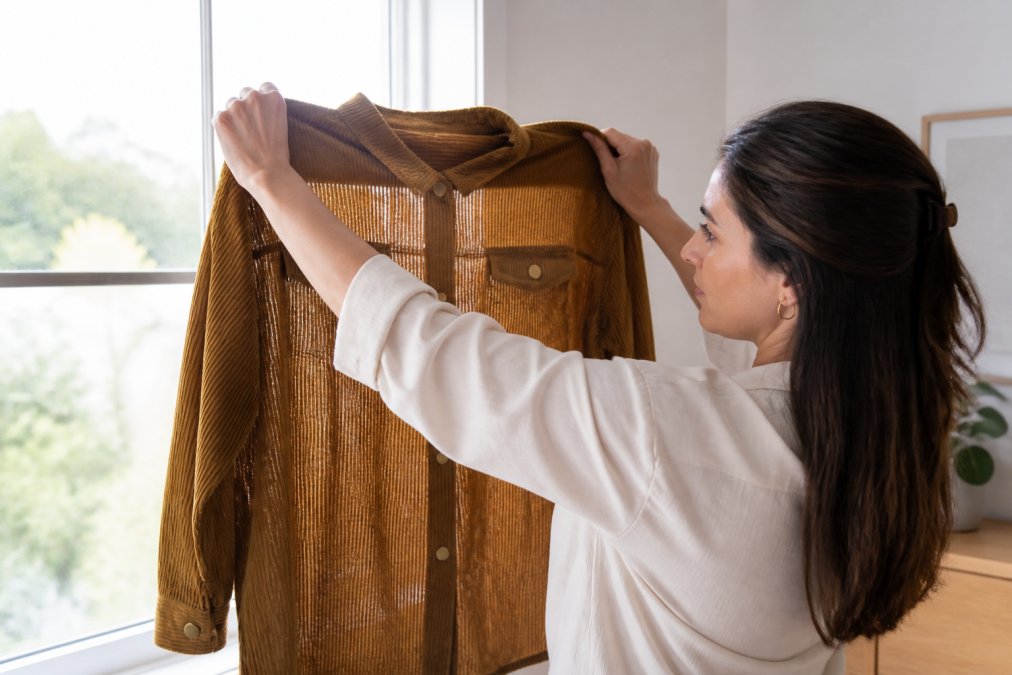
For pants and skirts, pay particular attention to the seat and thighs, as these areas experience the most stress and often have thinner fabric. Test multiple areas of the garment, seams, hems, and pattern areas sometimes have different opacity than the main body fabric.
Consider the lighting conditions where you'll wear the garment. Office fluorescent lighting, sunlight, and indoor home lighting all reveal transparency differently. For online shopping, read customer reviews carefully for mentions of transparency. Try garments on over your actual undergarments rather than assuming sizes will work based on the dress size alone.
Common Mistakes to Avoid When Styling Sheer Clothing
The biggest mistake is assuming all sheer garments require identical solutions. A semi-sheer fabric needs different layering than a completely transparent one. Assess the actual opacity level before deciding on your approach.
Choosing the wrong layering color creates obvious visual problems. White underwear under a white sheer dress creates a stark white rectangle that's far more noticeable than skin-tone underwear. Matching your undergarment color to your skin tone, not your outer garment, remains the golden rule.
Overlooking fit in layering pieces defeats the purpose. A camisole that's too loose bunches and creates ridges under a fitted dress. Neglecting to consider static cling when layering also causes problems, a synthetic dress over a cotton slip creates friction that causes the dress to cling to your body unflattering ways. Choosing slips in smooth synthetic materials prevents this.
Ignoring fabric care instructions leads to transparency issues over time. Fabrics that shrink in the wash become thinner and more transparent. Wearing sheer garments without testing them first in your actual lighting conditions leads to embarrassing moments. Always test before wearing anything sheer to an important event.
Finding clothes that provide both coverage and style doesn't require sacrificing comfort or breathability. The methods covered here, from understanding fabric opacity to strategic layering, give you practical tools to build a wardrobe where you feel confident in every piece. At D'LA Boutique, we design with these principles in mind, selecting fabrics and weights that work for their intended purpose. Our bamboo and modal blends, carefully constructed jackets, and thoughtfully curated basics are built to provide the coverage and comfort you need. Start shopping with confidence, and subscribe to our emails for styling tips and new arrivals that solve real wardrobe challenges.
Frequently Asked Questions
What is the best color underwear to wear under white clothes?
Skin-tone or nude underwear is your best choice under white clothing because it blends with your skin rather than creating visible lines or shadows. Avoid bright colors, dark shades, and bold patterns that show through. Seamless, laser-cut styles eliminate visible panty lines (VPL) entirely. For maximum invisibility, match your underwear shade as closely as possible to your actual skin tone, and choose moisture-wicking synthetic blends that reduce static cling.
How do you fix a garment that is too sheer?
You can't truly fix a sheer garment permanently, but you can manage it through layering. Wear a slip, half-slip, camisole, or bodysuit underneath to add opacity. For dresses, a fitted slip in a matching color works best. For sheer shirts, layer with a fitted undershirt or camisole. If the garment is important to your wardrobe, invest in quality layering pieces. Alternatively, some tailors can add a lining to dresses, though this is costly and changes the drape and breathability of the fabric.
What fabrics are naturally less see-through?
Fabrics with higher textile density and heavier weight are less see-through. Denim, corduroy, canvas, and thick cotton blends offer excellent opacity. Knit fabrics like jersey and ribbed materials also provide better coverage than woven fabrics. Natural fibers such as linen and cotton generally have better opacity than synthetic materials, though synthetic blends can be opaque depending on construction. Look for garments labeled as 'opaque' or 'semi-sheer' rather than 'sheer' or 'translucent' to ensure adequate coverage.
How can I test if clothes are see-through before buying?
Hold the garment up to natural light or a bright window to see how much light passes through the fabric. This lighting-based test reveals translucency immediately. Check both the main fabric and seams, as seams often appear darker and more visible. For online shopping, read customer reviews carefully, real customers often mention sheerness. Request photos from sellers showing the garment held to light. When trying on in-store, use the dressing room mirror under bright fluorescent lighting, which shows transparency more clearly than natural light.
This article was written using GrandRanker