

Sustainable Fashion Boutique Shopping Tips
Table of Contents
- What Makes Sustainable Fashion Boutique Shopping Different
- Eco-Friendly Clothing Materials Guide
- How to Spot Greenwashing and Verify Real Sustainability
- High Quality Boutique Clothing Brands You Can Trust
- Building a Sustainable Capsule Wardrobe Essentials
- Extending Garment Life and Managing End-of-Life Clothing
- Conclusion
Last Updated: August 27, 2026
What Makes Sustainable Fashion Boutique Shopping Different
Shopping at a sustainable fashion boutique means choosing quality over quantity, which fundamentally changes how you approach your wardrobe. Unlike fast fashion retailers that churn out new trends weekly, a sustainable fashion boutique curates pieces designed to last. At D'LA Boutique, we focus on clothing that balances contemporary style with durability, using materials like bamboo and modal blends that feel good and perform well through repeated wear.
The difference isn't just about the materials. When you shop at a sustainable fashion boutique, you're engaging with a business model built on transparency. You can ask about where fabrics come from, how garments are made, and why certain design choices were made. This access to information helps you make purchases you'll actually wear for years, not months.
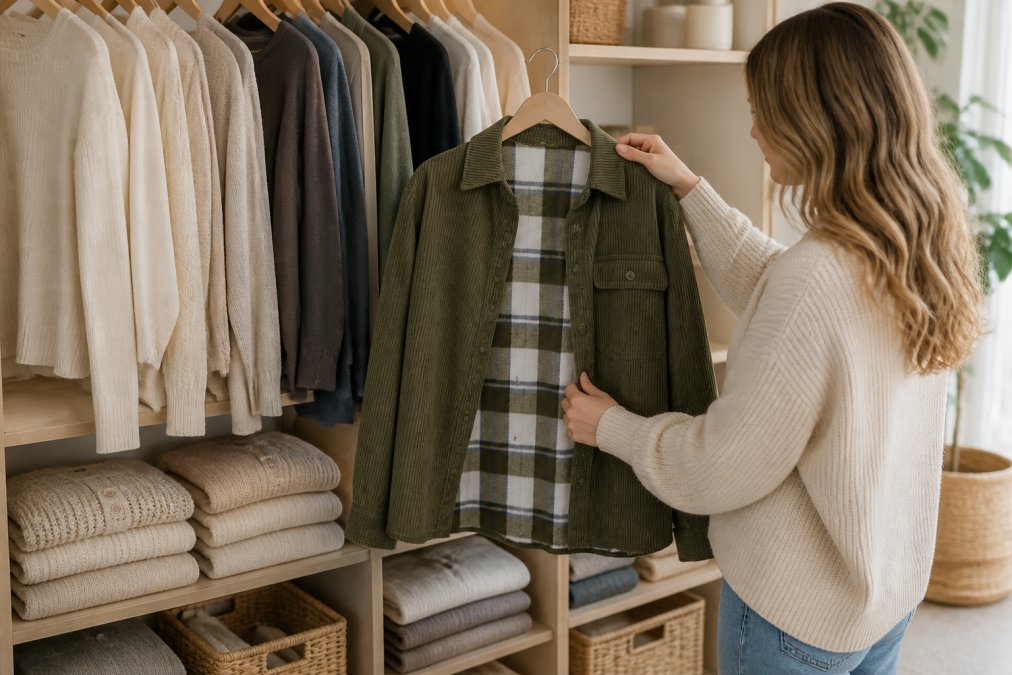
Most shoppers don't realize that buying from a sustainable fashion boutique reduces decision fatigue. Instead of scrolling through thousands of options, you get a carefully selected collection. This curation means every piece works harder in your wardrobe. A quality reversible jacket like the Corduroy Reversible Button Down Jacket in Olive ($43.75) gives you two outfits in one garment, which is exactly the kind of intentional design thinking that defines sustainable fashion boutique shopping.

The real value emerges over time. You spend more upfront but replace items less often. Your closet becomes more cohesive because pieces are selected to work together. And you avoid the guilt that comes with discarding clothing that fell apart after a few washes.
Eco-Friendly Clothing Materials Guide
Understanding what you're buying is the foundation of sustainable fashion boutique shopping. Different materials have different environmental impacts, longevity profiles, and comfort characteristics. Learning to distinguish between genuinely sustainable options and marketing hype takes some effort, but it's worth the investment.
Natural Fibers Worth Your Investment
Natural fibers have been used for clothing for thousands of years because they work. Cotton, linen, wool, and hemp all biodegrade at the end of their life, which means they don't sit in landfills for centuries like synthetic materials do.
Organic cotton is grown without synthetic pesticides or fertilizers, which reduces water pollution and soil degradation. Regular cotton uses about 16% of the world's pesticides despite occupying only 2.5% of agricultural land (fao.org). When you buy organic cotton pieces, you're supporting farming practices that are gentler on ecosystems. The trade-off: organic cotton typically costs more because production is more labor-intensive.
Linen comes from flax plants and requires less water and fewer chemicals than cotton. It's naturally durable, gets softer with washing, and biodegrades completely. Linen wrinkles easily, which some people see as a drawback and others embrace as part of its character. For sustainable fashion boutique shopping, linen pieces work well for warm-weather clothing and layering pieces.
Hemp is one of the most sustainable fibers available. It grows quickly without pesticides, improves soil quality, and requires minimal water. Hemp fabric is durable and becomes softer over time. The challenge is finding it at boutique retailers because large-scale production is limited in many regions.
Merino wool from New Zealand and Australia offers natural temperature regulation, odor resistance, and durability. Quality merino pieces can last for years with minimal washing. This longevity makes the higher price point reasonable when you calculate cost-per-wear over several years.
Regenerated and Recycled Options
Regenerated fibers like modal and bamboo start as plant material but go through chemical processing to become fabric. The distinction matters because the manufacturing process affects environmental impact.
Modal is made from beech tree pulp and produces fabric that feels luxuriously soft. It drapes well and works for everything from everyday tops to statement pieces. D'LA Boutique features modal blends in many pieces because the fabric offers comfort without the environmental footprint of synthetic materials. Modal production does use chemicals, but closed-loop manufacturing systems capture and reuse up to 99% of the processing liquid, making it significantly more sustainable than conventional viscose (peer-reviewed research).
Bamboo fabric (viscose) is soft, breathable, and biodegradable. Bamboo grows rapidly without pesticides, making it a renewable resource. Like modal, the manufacturing process involves chemicals, but responsible producers use closed-loop systems. When shopping at a sustainable fashion boutique, ask whether the bamboo or modal came from suppliers using closed-loop production.
Recycled polyester takes plastic bottles or discarded textiles and transforms them into new fabric. This diverts waste from landfills and reduces the need for virgin petroleum extraction. The downside: recycled polyester still sheds microplastics during washing, though the amount is less than virgin polyester.
Deadstock fabric refers to leftover material from larger manufacturers. Buying clothing made from deadstock is genuinely sustainable because you're using material that would otherwise be discarded. This is where small boutiques have an advantage. They can source unique pieces made from deadstock without the minimum order quantities that large retailers require.
How to Spot Greenwashing and Verify Real Sustainability
Greenwashing is when companies make sustainability claims without backing them up with real practices. Learning to spot it protects both your wallet and your values.
Watch for vague language. Terms like "eco-friendly," "natural," and "sustainable" sound good but mean almost nothing without specifics. A genuine sustainable fashion boutique will tell you exactly which materials they use, where they source them, and how they manufacture garments. Vague marketing is a red flag.
Check for certifications. Real certifications require third-party verification and auditing. Look for labels like GOTS (Global Organic Textile Standard) for organic cotton, Fair Trade Certified for ethical labor practices, and B Corp certification for overall business sustainability (globalorganictextilestandard.com). These certifications have specific requirements and regular audits. If a brand claims sustainability but has no certifications and can't explain why, that's suspicious.
Ask about supply chain transparency. Legitimate sustainable fashion boutique brands can tell you where their fabric comes from and who manufactures their garments. Some even publish detailed supply chain information online. If a brand is vague about manufacturing or refuses to discuss their suppliers, they're likely hiding something.
Examine price points realistically. Sustainable production costs more. If a piece is suspiciously cheap for a boutique item, the sustainability claims probably aren't real. Quality materials, ethical labor, and responsible manufacturing all have real costs. A sustainable fashion boutique reflects those costs in pricing.
Research the company's history. How long have they been in business? Do they have a clear mission statement beyond making sales? Do they publish sustainability reports? Companies genuinely committed to sustainability document their practices and progress. New companies making big sustainability claims without a track record deserve skepticism.
Look for transparency about what they don't do well. No business is perfect. Honest sustainable fashion boutique owners acknowledge their limitations and explain what they're working to improve. A brand that claims to be 100% perfect in every way is probably exaggerating.
High Quality Boutique Clothing Brands You Can Trust
When shopping for a sustainable fashion boutique, knowing which brands actually deliver on their promises matters. D'LA Boutique curates pieces from brands that prioritize quality materials and ethical production. Our collection emphasizes pieces that work across multiple seasons and occasions, which is the essence of sustainable fashion boutique shopping.
What sets quality boutique brands apart is consistency. They don't chase every trend. Instead, they develop signature styles that customers return to year after year. They invest in relationships with suppliers rather than constantly switching manufacturers to save a few cents. They stand behind their products with reasonable return policies and customer service that actually responds.
The SO ME Floral Cotton Contrast Sleeves Scallop Sweater Top ($53.98) exemplifies this approach. It's made from soft, breathable cotton knit with thoughtful design details like scalloped trim and contrast sleeves. These aren't trendy gimmicks, they're design elements that add visual interest while keeping the piece versatile enough to wear across seasons.

Quality boutique brands also understand that sustainable fashion boutique shopping means building pieces that work together. A well-made top pairs with multiple bottoms. A quality jacket transitions between seasons. This intentional design reduces the number of items you need to own while increasing outfit possibilities.
Building a Sustainable Capsule Wardrobe Essentials
A capsule wardrobe is a collection of essential pieces that work together to create multiple outfits. For sustainable fashion boutique shopping, building a capsule wardrobe is the ultimate expression of intentional consumption.
Start by identifying your color palette. Choose 2-3 neutral base colors (black, white, gray, navy, beige, or brown) and 2-3 accent colors that make you feel confident. Every piece you add should work with these colors. This constraint forces intentionality and ensures everything coordinates.
Invest in quality basics first. A well-fitting white cotton t-shirt, a neutral long-sleeve top, and quality jeans form the foundation. These pieces get worn constantly, so durability matters. Look for details like reinforced seams, quality stitching, and fabric that maintains its shape after washing.
Add layering pieces that extend seasonality. The Corduroy Reversible Button Down Jacket in Brown ($43.75) is exactly this kind of piece. It's reversible, giving you two different looks from one garment. It works over everything from t-shirts to dresses. And it transitions from summer layering to fall outerwear.

Include one statement piece per season. This might be a patterned blouse, a textured sweater, or a unique jacket. Statement pieces prevent your capsule from feeling boring while maintaining versatility because they're designed to pair with basics.
Calculate cost-per-wear for everything. A $100 quality piece worn 100 times costs $1 per wear. A $20 fast-fashion item worn twice costs $10 per wear. This perspective changes how you evaluate sustainable fashion boutique pricing.
Resist the urge to buy everything at once. Build your capsule over time, adding pieces as you identify gaps. This approach lets you understand what actually works for your lifestyle before investing in similar pieces.
Extending Garment Life and Managing End-of-Life Clothing
The most sustainable garment is the one you already own. Extending the life of your clothing through proper care and repair is where sustainable fashion boutique shopping delivers real environmental impact.
Wash less frequently. Most clothing doesn't need washing after every wear. Spot-clean stains, air out garments between wears, and wash only when necessary. This reduces wear on fibers and extends garment life significantly. For items like jeans and jackets, washing every 5-10 wears is often sufficient.
Use cold water and gentle cycles. Hot water breaks down fibers faster and uses more energy. Gentle cycles reduce mechanical stress on fabric. Air-drying instead of machine-drying prevents shrinkage and extends elasticity in synthetic blends.
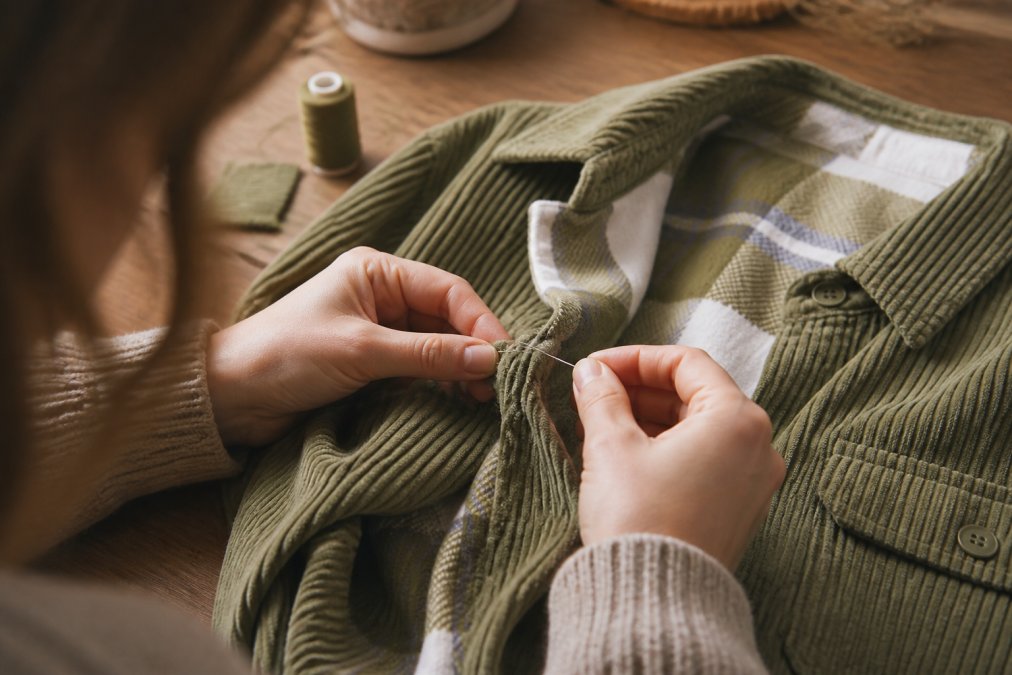
Learn basic repair skills. Sewing a button, fixing a small hole, or replacing a zipper takes minimal time and keeps garments in rotation. Many boutiques and local tailors offer affordable alterations for larger repairs. A quality piece is worth repairing.
Store properly. Use hangers for items that wrinkle easily and fold heavier knits to prevent stretching. Cedar blocks or lavender sachets deter moths without harsh chemicals. Proper storage prevents damage and keeps garments ready to wear.
Plan for end-of-life responsibly. When a garment reaches the end of its wearable life, you have options beyond the trash. Donate to thrift stores, textile recycling programs, or organizations that refurbish clothing. Some brands offer take-back programs where they recycle old garments into new products. Check whether your favorite sustainable fashion boutique has a recycling program.
Understand textile recycling. Textile recycling breaks down garments into fibers that become new fabric or are used for insulation and other applications. Finding local textile recyclers requires research, but many communities now have programs that accept old clothing.
Shopping at a sustainable fashion boutique requires more intentionality than grabbing whatever's on sale at a mass-market retailer. But the payoff extends beyond environmental impact. You build a wardrobe you actually love, spend less money over time, and avoid the guilt of fast fashion's human and environmental costs. D'LA Boutique makes this easier by curating pieces designed for longevity and versatility. Start by exploring our collection of quality materials like bamboo and modal blends, then build your sustainable wardrobe piece by piece. Subscribe to our emails for updates on new arrivals and sustainable fashion boutique shopping tips that help you make intentional choices.
Frequently Asked Questions
How can I tell if a boutique brand is truly sustainable?
Look for specific certifications like GOTS (Global Organic Textile Standard) or Fair Trade labels on product pages. Check if the brand discloses its supply chain transparently, real sustainable boutiques share where and how their clothing is made. Ask questions about material sourcing and labor practices. Brands that use vague language like 'eco-friendly' without details are often greenwashing. D'LA Boutique's use of bamboo and modal blends with clear material listings shows the transparency you should expect from a sustainable fashion boutique.
What materials should I look for in sustainable clothing?
Prioritize natural fibers like organic cotton, linen, and hemp, which biodegrade and have lower environmental impact than conventional fabrics. Regenerated fibers like modal and bamboo are also strong choices when made responsibly. Recycled polyester is better than virgin polyester. Avoid synthetic materials when possible, as they shed microplastics and persist in landfills. Check product descriptions carefully, high quality boutique clothing brands specify their material composition, helping you make informed choices aligned with your sustainability values.
How do I build a sustainable capsule wardrobe from boutique pieces?
Start with neutral basics in quality fabrics: white cotton tops, well-fitting jeans, and neutral jackets that transition across seasons. Add 5-7 versatile pieces that coordinate together, focusing on timeless designs over trendy items. Invest in quality over quantity, a $50 piece that lasts two years costs less per wear than a $20 fast-fashion item worn five times. Choose pieces in colors that work with your existing wardrobe. D'LA Boutique's corduroy reversible jacket and cotton sweater tops are sustainable capsule wardrobe essentials that earn their place through durability and versatility.
How should I care for sustainable clothing to make it last longer?
Wash in cold water and air dry whenever possible to reduce wear and energy use. Repair small issues immediately, a loose seam or small hole is easy to fix but becomes irreversible damage if ignored. Store garments properly away from direct sunlight and moisture. Follow care instructions on the label; quality boutique pieces are designed to withstand proper care. Spot clean minor stains instead of full washes. These practices extend garment longevity significantly, reducing the environmental impact of your wardrobe and saving money long-term.
This article was written using GrandRanker